The restaurant industry in Canada’s major cities is undergoing one of the most significant transformations in its history. While much of the public conversation around return-to-office (RTO) policies has focused on corporate productivity and commercial real estate, the impact on downtown restaurants has been equally profound. In cities like Toronto, Vancouver, Montreal, Calgary, and Ottawa, hybrid work models are reshaping everything from lunch traffic to labour schedules to the overall rhythm of urban dining.
Before the pandemic, restaurants in financial districts were built around the dependability of office life. Downtown cores pulsed with energy from early morning until well into the evening. The daily patterns were predictable: morning coffee rushes, packed lunch services, and vibrant after-work crowds. Today, those patterns have shifted dramatically, and the restaurant business has been forced to evolve alongside them.
Downtown Worker Density Has Not Fully Returned
One of the biggest challenges for urban restaurants is the simple reality that office worker density remains well below 2019 levels. Toronto’s Financial District, which once welcomed more than 200,000 daily office workers, now sees a fraction of that on most weekdays. Montreal and Vancouver hover around 55 percent office occupancy, creating a new baseline of activity that is fundamentally lower than what restaurants were designed for.

Restaurants rely heavily on consistent foot traffic. When fewer workers are downtown, lunch volumes drop, morning sales soften, and the energy that fuels restaurants throughout the day becomes uneven. This reduced density affects everything: menu planning, food costs, labour budgets, and long-term viability for concepts built around high-volume service
The New Work Week Has Changed Urban Dining Patterns
The hybrid work model has created a very different weekly rhythm for restaurants. The modern downtown “work week” in many Canadian cities has effectively become Tuesday to Thursday. These mid-week days often resemble pre-pandemic activity, while Mondays and Fridays can feel more like weekends. This unpredictability presents significant operational challenges for restaurant owners.
When most of the week’s activity is compressed into three days, restaurants must rethink scheduling, inventory, and even their product mix. The traditional five-day lunch model has faded, replaced by intense mid-week peaks and softer bookends that require a smarter, leaner approach.
The Business Lunch Has Not Recovered in the Same Way
Another noticeable shift is the decline of the traditional business lunch. Once a cornerstone of downtown hospitality, the long, relationship-driven lunch has been replaced by virtual meetings, shorter office visits, and tighter daily schedules. Many employees now come into the office only for specific meetings, leaving less time for extended dining.
As a result, many restaurants report lower lunch volumes compared to 2019, even when dinner service remains steady or strong. Dining rooms that once turned multiple tables at lunch now struggle to fill a single sitting. This shift has forced operators to redesign lunch menus around speed, convenience, and value—without compromising quality.
New Behaviour Patterns Are Redefining Restaurant Operations
Hybrid work has reshaped not just weekly patterns, but the flow of the day itself. Morning rushes begin later as fewer people commute before 8 a.m. Lunch hours have tightened into a narrow window around noon. Meanwhile, the after-work period has become more active, with happy hour regaining popularity across major cities.
Many restaurants now see their strongest weekday traffic between 3:30 p.m. and 6:00 p.m., as workers capitalize on shorter office days or use the office as a springboard for early evening socializing. This shift has created opportunities for restaurants with strong beverage programs, shareable menus, and compelling atmospheres.
Corporate Catering Has Become a Key Growth Opportunity
One unexpected benefit of return-to-office efforts is the surge in corporate catering. As companies look for ways to encourage employees to come in—especially on designated team days—food has become a powerful motivator. This has led to increased demand for restaurant-quality catered meals, premium lunch boxes, and consistent weekly orders tied to workplace collaboration.
For many downtown restaurants, corporate catering has become a stabilizing force. Operators who invested early in high-quality catering programs or built strong relationships with office managers and event coordinators are now seeing meaningful, recurring revenue streams that support their dine-in business.
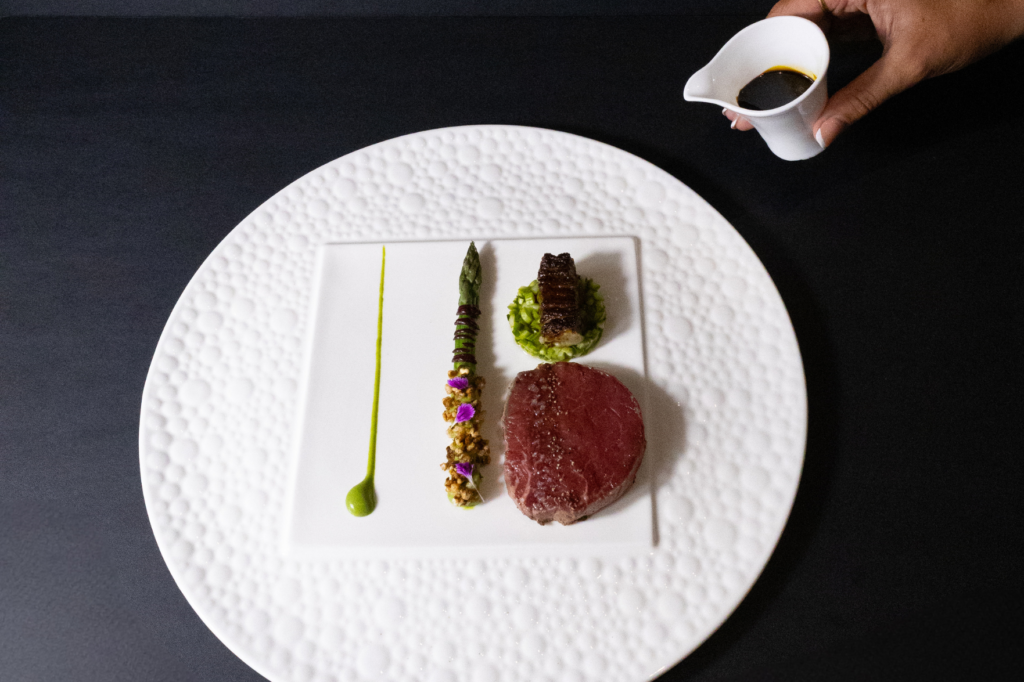
Restaurants Thriving Today Are the Ones Adapting the Fastest
The restaurants succeeding in this new urban environment are not waiting for old patterns to return. They are rebuilding their strategies around the realities of hybrid work. This includes optimizing operations for high-impact mid-week periods, strengthening after-work offerings, diversifying revenue streams through retail and catering, and creating experiences that justify a commute.
The cities themselves depend on this adaptability. Restaurants play a central role in the vibrancy, safety, and cultural character of downtown neighbourhoods. When restaurants thrive, the streets feel alive. When they struggle, the urban core loses energy, foot traffic, and economic activity.
New Behaviour Patterns Are Redefining Restaurant Operations
Having built and operated multiple restaurants in downtown Toronto and consulted with operators throughout the country, I see the return-to-office movement not as a step backward, but as a reset. The dining landscape is changing, and with it comes opportunity—opportunity to innovate, to rethink old models, and to design restaurant experiences that resonate in a different kind of city.
The future of dining in Canada’s major cities will belong to the operators who understand that hybrid work patterns are here to stay. Those who adapt—who build smarter lunch programs, stronger happy hours, flexible business models, and thoughtful guest experiences—will shape the next era of hospitality.
Urban dining has always evolved with the way people live and work. Today is no different. The restaurant industry isn’t shrinking; it’s transforming. And those willing to embrace that transformation will lead the way.